Tilt Control: Practical Techniques to Stop Emotional Leaks
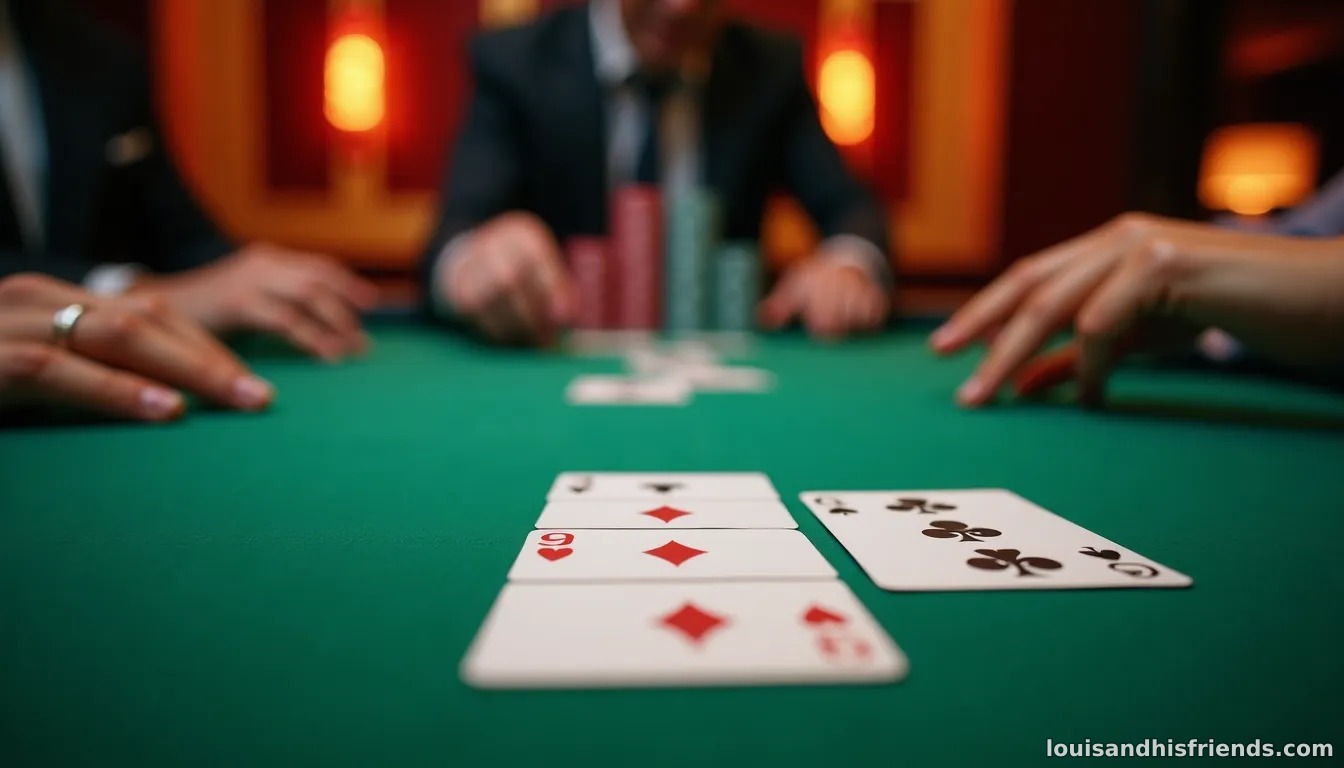
Tilt is one of the biggest enemies of a poker player. Even if you know all the hand rankings and strategy, letting emotions take over can ruin your game. This lesson, part of the Mental Game Coaching series, focuses on practical techniques to recognize and stop emotional leaks so you can play your best every session.
Understanding Tilt in Poker
Reading helps, but hands-on repetition sticks. Practice this idea at casual tables on Louis & Friends using free virtual chips — no purchase required for the learning tables.
Tilt is a state of emotional frustration or anger that causes you to make bad decisions. It often happens after a bad beat, a misplay, or a series of losses. In social Texas Hold'em, tilt can turn a fun practice session into a frustrating experience. The first step to controlling tilt is understanding when it starts. Common signs: you feel your heart rate increase, you start blaming luck, or you rush to place chips without thinking.
Common Tilt Triggers
Beginners often tilt after losing with a strong hand. For example, you hold A♠ K♥ on the button. The flop comes K♦ 7♣ 2♠. You have top pair with top kicker—a strong hand. When an opponent raises, you might feel threatened and think, "Why does he always have a better hand?" This emotional reaction can lead you to fold when you should raise, or to call angrily without a plan. Other triggers include being bluffed, having your pocket aces cracked, or feeling that the game is unfair.
Practical Techniques to Control Tilt
Take a Time-Out: When you feel frustration building, take a 30-second break. Close your eyes, breathe deeply, and remind yourself that this is a free practice game. You are here to learn, not to win every hand. Use the "sit out next hand" feature in no download platforms to step away.
Focus on Process, Not Results: Good decisions lead to long-term success. If you place chips correctly with A♠ K♥ on a K♦ 7♣ 2♠ board, that is a winning play regardless of the outcome. Review the hand: you should raise for value to protect your hand. Add chips to the pot equal to 9 big blinds. If you get called and lose to a hidden two pair, accept that variance happens. You played well.
Set Loss Limits for Practice Chips: Even with virtual chips, decide beforehand how many chips you are willing to lose in a session. When you hit that limit, stop playing for the day. This prevents chasing losses while tilted.
Use a Mental Stoplight: Visualize a stoplight. Green = calm and focused. Yellow = feeling annoyed but still in control. Red = you are tilting. When you hit yellow, take a break. Red means quit the session entirely.
Worked Hand Example: Avoiding Tilt After a Bad Beat
You are in a private room with friends using practice chips. You hold 9♠ 9♦ in late position. The flop comes 9♣ 6♥ 2♠—top set! You place chips to build a pot. The turn is a harmless 4♦. You raise again. The river is an 8♣, making a possible straight. Your opponent suddenly puts all their chips in. You feel angry because you think they rivered a straight. Instead of calling emotionally, take a deep breath. Consider the range: with three of a kind, you are still strong. If you call and lose, accept it as a cooler. Tilting and folding would be a big mistake. Call and see the showdown. If they had 7♠ 5♠ for a straight, that's poker. Use the experience to practice emotional control.
Common Mistakes and Corrections
- Mistake: Playing more hands after a big loss to "win back" chips. Correction: Tighten up your starting hand selection. Only put chips in with strong holdings.
- Mistake: Blaming luck for every loss. Correction: Review the hand. Did you make a bad call? If yes, learn from it. If no, accept variance.
- Mistake: Staying in the game when tired or frustrated. Correction: Use the no download feature to quickly step away. Rest and come back fresh.
Practice Tip
The best way to master tilt control is through repeated practice in a low-pressure environment. Try this concept at a free practice table with friends where you can focus on your emotional reactions without any pressure. Set up a private room in OpenClaw and play social Texas Hold'em. You can even ask a friend to watch for signs of tilt. Remember, building mental strength is a skill like any other. The more you practice, the better you become.
【视频:Tilt Control Demonstration with Real Hand Example】